


Gold vs. silver is one of the oldest debates in precious metals investing. Whether you are building a long-term portfolio, looking for an inflation hedge, or seeking haven assets during economic uncertainty, both metals offer unique advantages.
The World Gold Council reported that global gold demand reached more than 4,900 tonnes in 2024, showing continued investor interest in gold during periods of inflation and geopolitical tension. Silver demand has also remained strong because nearly half of annual silver consumption comes from industrial uses, including solar panels, electronics, and electric vehicles.
If you have ever wondered is gold or silver a better investment or should I invest in gold or silver, this guide will help you compare performance, risk, liquidity, and long-term potential. We will break down the gold vs silver investment comparison in simple terms so you can choose the option that best fits your financial goals.
Gold has historically been used as a store of value for thousands of years. Central banks hold gold reserves because it is widely accepted, highly liquid, and less volatile than many other commodities.
Gold is often chosen for:
Silver is both a precious metal and an industrial metal. Its price is influenced not only by investor demand but also by manufacturing activity, technology production, and renewable energy growth.
Silver is commonly used for:
This dual role gives silver more growth potential, but it also makes it more volatile than gold.
Try This: How Gold Prices React During Economic Uncertainty and Crisis
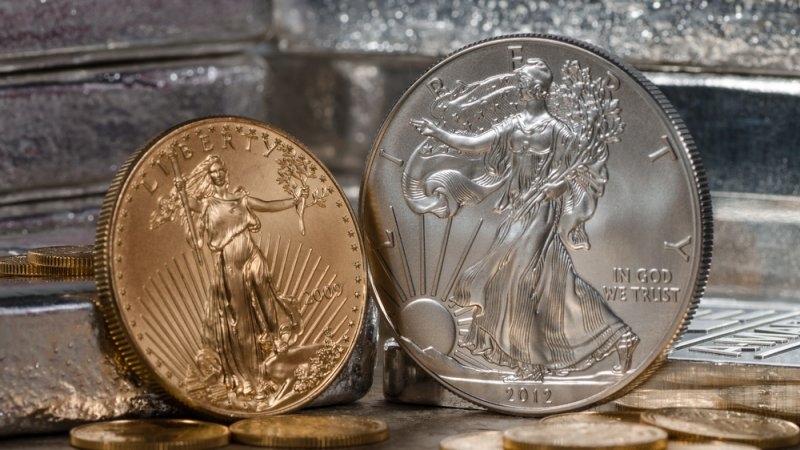
Gold has historically maintained purchasing power over long periods. During high inflation, investors often move money into gold because it is not tied to any single currency.
Gold tends to perform well when:
Silver can also act as an inflation hedge, but its performance is less consistent because industrial demand plays a larger role in price movements.
During periods of strong economic growth combined with inflation, silver sometimes outperforms gold. However, during recessions, industrial demand may weaken and create additional price pressure.
When stock markets fall and investors seek safety, gold usually attracts significant capital flows. This is why it is often grouped with other safe haven assets such as government bonds and certain currencies.
Silver can be less predictable during recessions. Investment demand may rise, but reduced industrial activity can offset some of those gains.
For conservative investors asking about gold vs. silver during a recession, gold is generally the more defensive choice.
Silver has historically experienced larger percentage price swings than gold. This means it can generate higher returns during strong commodity bull markets.
For example:
Higher potential returns come with higher risk. Silver corrections are often much deeper than gold corrections.
If your goal is which precious metal is better for investing from a growth perspective, silver may offer greater upside. If your goal is preserving wealth with lower volatility, gold is usually the better option.
Must Try: Sovereign Gold Bond vs Gold ETF: What are the Differences?
Many financial professionals prefer a combination of both rather than an all-or-nothing approach.
Here is a balanced approach for someone interested in investing in gold vs. silver:
<Box background="surface-secondary" border= {{"size":1, "color": "default"}} radius="3xl" padding={4} gap={3}>Conservative Investor 80% gold / 20% silver Balanced Investor 70% gold / 30% silver Growth-Oriented Investor 60% gold / 40% silver
This allows investors to benefit from gold’s stability while still participating in silver’s potential upside.
Avoid these errors when building a gold investment or silver investment strategy:
Successful commodity investing requires patience, risk management, and a clear time horizon.
If you are new to precious metals investing, start with gold as the foundation of your allocation. Gold is easier to understand, less volatile, and more widely used for long-term wealth preservation.
Add silver gradually if you:
This balanced approach reduces risk while giving your portfolio exposure to both monetary and industrial drivers.
The gold vs silver decision is not about finding a single winner. It is about matching the metal to your financial goals. Gold offers stability, liquidity, and stronger protection during inflation and recessions. Silver offers affordability, industrial demand exposure, and potentially higher returns, but with greater volatility.
For most long-term investors, gold works best as a core holding, while silver can serve as a complementary growth allocation. Understanding your risk tolerance, investment horizon, and income needs is more important than trying to predict which metal will outperform next year.
If you are researching smarter investment strategies and market insights, resources such as dirtyprice.com can help you stay informed about precious metals, inflation trends, and broader financial opportunities.
Take the next step by reviewing your portfolio, defining your risk tolerance, and choosing a precious metals strategy that supports your long-term financial goals instead of following short-term market headlines.
Physical gold gives you direct ownership and removes counterparty risk, but it requires secure storage and insurance. Gold ETFs are easier to buy, sell, and track in a brokerage account. The better choice depends on whether you prioritize convenience, liquidity, or direct possession of the metal.
Many financial planners suggest keeping 5% to 15% of a diversified portfolio in precious metals. Conservative investors often stay near the lower end, while those concerned about inflation, currency risk, or market volatility may choose a slightly higher allocation depending on their overall financial situation.
Tarnishing is a surface reaction that usually does not reduce the intrinsic silver content or melt value of investment-grade silver coins and bars. However, heavily damaged or improperly stored pieces may receive lower premiums from collectors, so proper storage is still important.
In many countries, certain gold and silver bullion products can be held in self-directed retirement accounts if they meet specific purity standards. Investors should check local tax rules, approved custodians, storage requirements, and withdrawal regulations before adding precious metals to retirement savings.
The gold-to-silver ratio measures how many ounces of silver are needed to buy one ounce of gold. Investors sometimes use this ratio to compare relative value between the two metals and identify periods when silver appears historically cheap or expensive compared with gold.
This content was created by AI