

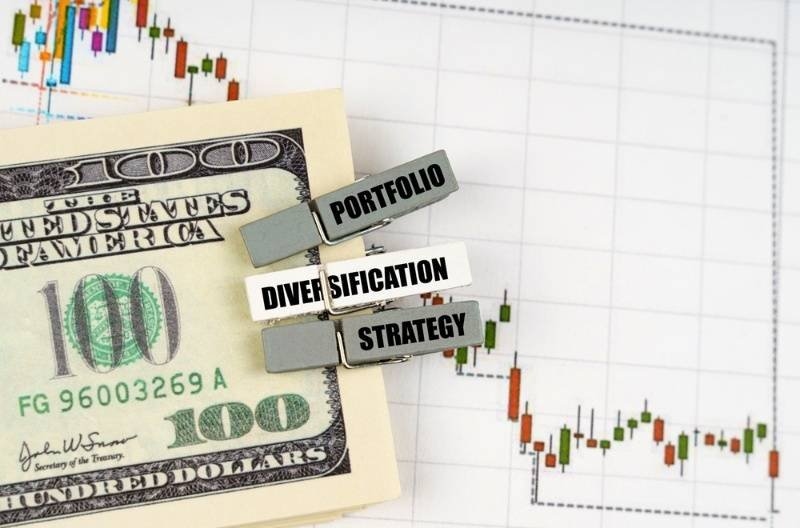
Putting your cash into just one stock is a massive gamble. You do not want to lose your life savings because a single company goes bankrupt. Creating a diversified investment portfolio will help you to stay safe even during market crashes and sudden economic issues.
This guide breaks down how to protect your money and set yourself up for future growth without taking crazy risks.
Must Read: Why the Famous Coffee Can Portfolio Wins the Long Race
Riding the stock market without a safety net is a terrible idea. A diversified investment portfolio spreads your money across different areas. It provides the exact framework to ensure steady growth while protecting your hard-earned cash from major losses. If the tech sector tanks, your real estate or bonds keep your overall balance stable.
Without this spread, you could watch your net worth disappear overnight. It stops you from relying on a single industry to fund your retirement. Knowing you have cash in different buckets lets you sleep at night during a recession. You build a stable financial future when you stop chasing quick wins and focus on holding a smart mix of assets.
Beginners can follow the steps below to build a diversified portfolio:
Figure out how much money you can stomach losing before you buy anything. Younger people can take bigger risks with growth stocks. If you need the money soon, stick to safer bonds.
Do not just buy tech companies. Spread your cash across stocks, government bonds, and real estate. Mixing these pieces builds a strong foundation that survives market panic.
You do not need to pick winning companies yourself. Exchange-traded funds give you access to hundreds of stocks at once. This move spreads your risk without requiring constant research.
Keeping all your money in local markets limits your growth. Invest in international funds to catch emerging market gains. It protects you if your local economy slows down.
Never invest money you need to pay rent next month. Hold an emergency fund in a basic savings account. This stops you from selling your investments at a loss just to cover a sudden car repair.
Top Pick: How AI Investment Trends 2025 Are Driving Portfolio Design

Splitting your money the right way determines your success. Asset allocation sets the rules for your entire financial plan. Here are the core factors you need to handle:
Stocks offer massive growth potential but drop fast. Bonds pay lower returns but stay stable. You need a mix of both to survive bad years without missing out on good ones.
A twenty-year-old needs a different plan than someone about to retire. Shift your money toward safer assets as you get older. You do not have time to wait for a market recovery when you stop working.
Different assets shine at different times. Real estate acts as a shield against inflation. Bonds hold their value when interest rates drop.
Fights over bad trades get stressful fast. One terrible decision wipes out years of hard work. Risk management provides a straightforward way to keep your money safe. Here is why it matters:
The stock market will drop eventually. Holding different investments cushions the blow. If your growth stocks lose value, bonds and real estate limit the total damage to your account.
Watching your net worth drop makes people panic and sell at the bottom. A clear plan forces you to stay rational. You stick to your strategy instead of reacting out of fear.
Avoid the thoughts of doubling your investment in quick time because it usually results in huge losses. Keeping your risks under control is what guarantees a slow, steady climb. Your main goal should be protecting the money you actually started with while letting it grow at a realistic pace.
Managing your money is not a set-it-and-forget-it job. You have to keep the machine running. Here are the most effective ways to handle portfolio management:
Winners grow too big, and losers shrink. Sell a portion of your best performers to buy more of the cheap assets. This forces you to buy low and sell high automatically.
Stop paying massive fees to human managers. Algorithms build and manage your assets based on your specific goals. They rebalance everything for a fraction of the cost.
Check your actual investments twice a year. Make sure your mutual funds still align with your long-term goals. Do not let hidden fees eat your profits.
You can check the following list to understand the benefits of long-term investing:
Making money on top of the money your investments have already made is the fastest way to build real wealth. Leaving your cash alone for ten or twenty years turns a tiny starting deposit into a serious nest egg.
The financial news cycle is designed to freak you out so you trade more. Long-term investors just ignore the daily drops. You stop stressing over a bad week because you know the market historically bounces back.
Dumping a stock after a few months triggers heavy short-term capital gains taxes, which eat your profits fast.
Putting all your money into a single stock is an easy way to lose everything. Splitting up your funds across different assets shields you when the market takes a massive hit. You need to spread out your risk and focus on the long term. Setting up a balanced plan today ensures your savings actually grow over time.
You can definitely allocate a small slice to assets like Bitcoin, but do not go overboard. Limit it to a tiny fraction of your total capital—around two to five percent at most. Crypto swings way too wildly to build a stable foundation on, so treat it as a high-risk gamble.
The worst move you can make is dumping your stocks while the market is crashing. Panic selling just locks in your losses. Stick to your long-term plan and treat the downturn as a massive clearance sale to pick up quality shares at a steep discount.
This is not fully correct because asset allocation refers to the general strategy where you determine how much money is invested overall, and diversification refers to how the money is invested across various industries.
This content was created by AI