

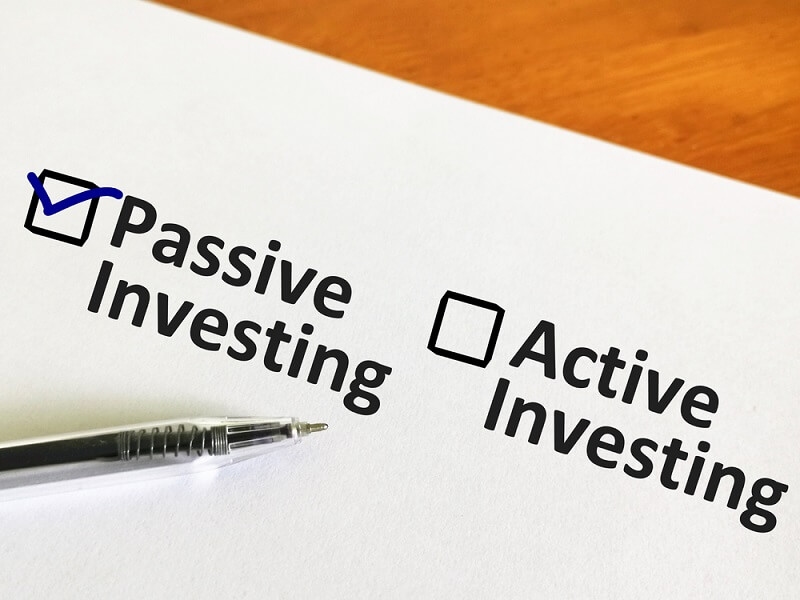
Choosing between active and passive investing is an important decision for your money. An Active Investing Strategy involves buying and selling to try to beat the market. A Passive Investing Strategy focuses on holding assets for a very long time. Both are popular Stock Market Investment Strategies used by millions. Some like picking winners, while others prefer Index Fund Investing. Deciding which path to take depends on your available time. Each method offers a unique way to grow wealth over the long term.
An Active Investing Strategy assumes a person can predict stock moves. It requires deep research into how companies and the economy work. This method is often used by those who want the highest possible returns.
The goal of this style is to beat the average market. It takes skill and quick thinking to stay ahead of the game.
Explore More Tips: Growing Your Money with Simple Passive Investing Plans
A Passive Investing Strategy is for those who do not watch the news daily. It assumes the market will go up over a long period. This approach is relaxed and often costs less money.
This method lets you set money aside and forget it. It is a steady way to build savings without constant stress.
Index Fund Investing lets you own a piece of many companies at once. Instead of picking one winner, you buy into a large group. This is a safe way to participate in the economy's growth.
Most experts recommend index fund investing for retirement. It removes the risk of one single company failing and ruining your savings.
People have different comfort levels with risk when it comes to Stock Market Investment Strategies. Some handle big price swings, while others prefer a smooth ride. Knowing the difference is the first step to freedom.
These Stock Market Investment Strategies let people customize their journey. There is no one right way since everyone has unique needs.
Success often comes from using long-term investing strategies. Compound interest works best when money is left alone for decades. Patience is rewarded more than fast action in building a fortune.
By following long-term investing strategies, small amounts turn into something huge. It is about staying disciplined when things get tough in the world.
Fees can eat up profit when comparing active vs. passive investing. Active management requires paying for research and frequent trades. Passive paths are low-cost because they change infrequently.
Keeping costs low ensures a higher return. Every dollar saved on fees is another dollar that can grow for you.
A Closer Look at This: Is Now the Right Moment to Invest Wisely in the Stock Market
An Active Investing Strategy carries the risk that a manager might be wrong. If a big bet fails, the losses can be large. It requires high expertise to avoid common market traps.
Even famous experts struggle to beat the market every year. It is a difficult challenge that requires total dedication and a bit of luck.
Time is a resource nobody gets back, making a Passive Investing Strategy attractive. Instead of reading financial reports, you can spend time with friends. The computer handles the math while you live life.
This ease of use is why many people switch to this style. It makes the world of finance feel much less intimidating.
Index Fund Investing ensures you do not put all your eggs in one basket. If one industry struggles, another might do great to keep you stable. Balance is the secret to surviving a rough year.
This safety is important for people close to retirement. It provides a cushion that protects your hard-earned money from sudden drops.
Growth is the main reason people look at Stock Market Investment Strategies. Whether buying a house or paying for college, you need money to multiply. Matching your strategy to your timeline is key.
Testing different Stock Market Investment Strategies helps find what fits your personality. Many find a mix of both styles is the perfect solution.
A plan is only good if followed through with long-term investing strategies. It helps to write down why you save, so you do not get scared. Having a clear vision makes it easier to stay focused.
By sticking to long-term investing strategies, you remove guesswork. You become the boss of your money, rather than a slave to prices.
Don’t Miss This: Best Sectors to Invest in 2026 for High Growth And Returns
Choosing between active and passive investing is a personal choice that changes over time. Whether using an Active or Passive Investing Strategy, the key is to start. Use these Stock Market Investment Strategies and Long Term Investing Strategies to build a secure life today.
Most financial experts agree that a Passive Investing Strategy is usually better for retirement because it has lower fees. Over thirty or forty years, those small savings turn into thousands of extra dollars for your golden years. It also requires less work, which is perfect for someone who wants to relax.
Beginners can start Index Fund Investing by opening a simple brokerage account and picking a fund that tracks the total market. Many banks offer these funds with low entry requirements, making it easy to start with as little as a few dollars. It is a great way to learn how the market works.
The biggest risk of an Active Investing Strategy is underperforming the market after accounting for all the high fees. Even if a manager picks a few winners, the cost of trading can eat up the extra profit. This means the investor might end up with less money than with a fund.
Long-term investing strategies are recommended because they rely on the historical growth of the economy rather than short-term luck. Quick trades are often influenced by news and emotions, which leads to buying high and selling low. Holding assets for many years allows you to profit.
This content was created by AI