

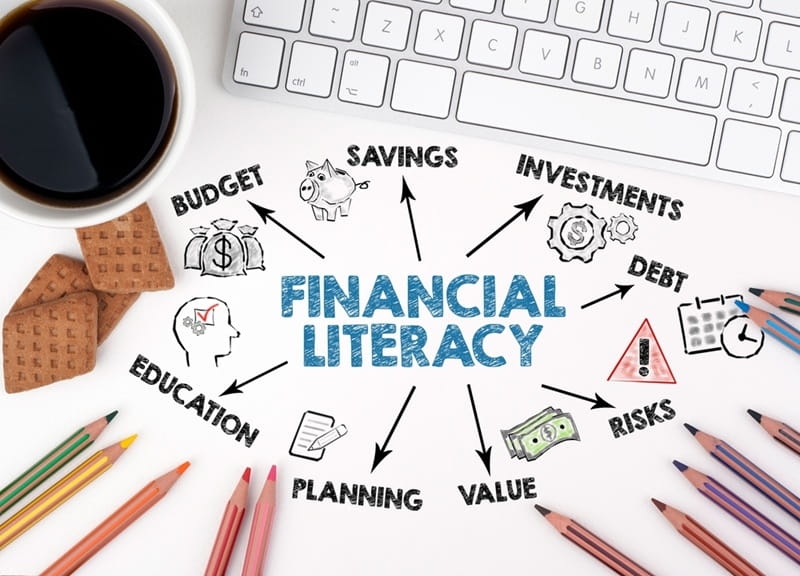
Many people ask what financial literacy is because money affects almost every part of life, even when it feels quiet. Here’s the thing. Financial literacy is not about becoming rich fast or memorizing complex rules. It is about understanding money well enough to make simple, steady choices. Financial literacy helps people know where money comes from, where it goes, and how to plan without fear. The benefits of financial literacy include daily peace of mind, fewer mistakes, and better control. The principles of financial literacy guide decisions so that money supports life rather than causes stress.
What this really means is learning enough to choose wisely, not ideally.
You can think of financial literacy as being smart about how you use and spend your money every day. Being able to determine whether you have enough money to purchase groceries, pay your rent, or save for an unexpected expense requires some level of financial understanding.
Financial literacy usually includes:
As the above connection slowly becomes clear, it becomes clear how Financial Literacy will help you with your financial life overall.
Must Read: The Role of AI in Finance: Latest Developments and Innovations
Most people have difficulty with finances because they don’t know how to manage their money. Once people learn about financial management, it is much easier for them to manage their finances, which reduces their financial stress.
Once individuals have a basic understanding of financial management, they can begin to see the benefits in their daily lives:
Understanding the foundations of financial literacy will help prevent individuals from becoming victims of common financial pitfalls, and understanding the basics will help create a comfortable relationship with their money by not making it seem impossible or too stressful.
Financial literacy is guided by general principles that provide guidance for a person's behaviour regarding their money. Financial Literacy is valuable at any stage of life.
The key Principles of Financial Literacy are:
These four Principles work best when people regularly practice them. The value of becoming financially literate increases as you apply it consistently in your life.
Daily choices and the money spent each day cumulatively create results. Through the education gained from learning about how finances work, individuals learn how to:
The bottom line is that when people are educated about their finances, they become more aware of their spending habits, which helps them maintain happiness. Many people may not see this as a benefit of financial education, but it is for many who are financially educated.
Saving feels difficult without a clear direction. Financial literacy makes saving feel possible and normal.
Good saving habits include:
Understanding what financial literacy is changes saving from pressure into a habit. Over time, the benefits of financial literacy become apparent in terms of security.
Debt is neither good nor bad on its own. Knowledge decides its impact.
With financial literacy, people understand:
The principles of financial literacy encourage thoughtful borrowing. Understanding financial literacy helps avoid debt traps.
Budgeting sounds strict, but it is simply planning.
A basic budget includes:
Financial literacy makes budgets flexible. They change with life events. The benefits of financial literacy appear when plans feel helpful rather than limiting.

Long-term goals need steady planning. Education, housing, and retirement all rely on money choices.
With financial literacy, people:
The principles of financial literacy support patience. Knowing what financial literacy is helps people stay focused.
Learning early builds confidence. Children who understand the basics of money feel more secure.
Families use financial literacy to:
The benefits of financial literacy grow stronger when families talk openly about money.
Money skills influence work choices, too.
With financial literacy, people:
The principles of financial literacy help connect work with life goals. Understanding financial literacy supports smarter decisions.
Money affects emotions deeply. Stress often comes from uncertainty.
Better financial literacy leads to:
The benefits of financial literacy extend beyond money into emotional health.
Some beliefs stop people from learning.
Common myths include:
These ideas are false. Financial literacy uses simple thinking. The benefits of financial literacy are open to everyone.
Learning money skills does not need to be complex.
Simple steps include:
These habits slowly strengthen financial literacy. The principles of financial literacy grow clearer with practice.
Independence means having options. Money knowledge supports freedom.
With financial literacy, people:
The benefits of financial literacy protect independence over time.
Worth a Look: A Sustainable Future for Finance With Rise of ESG Investing
Confidence grows with understanding. Each small success builds trust.
Confidence improves because:
Knowing what financial literacy is replaces fear with clarity.
Understanding what financial literacy is helps people make calmer money choices every day. The principles of financial literacy guide spending, saving, and planning with confidence. Over time, the benefits of financial literacy grow quietly, improving stability, reducing stress, and supporting long-term economic well-being for individuals and families alike.
The absolute first step is to track your income and expenses for one whole month. You must know where your money is currently going before you can make any changes.
Yes, absolutely. In fact, that’s often the moment people start learning. Understanding budgeting and debt repayment strategies is a core part of financial literacy. Start by listing all your debts and their interest rates, then create a budget that includes debt payments.
Not at all. The principles of financial literacy apply to every income level. In many ways, they are most crucial for those with limited resources, as every dollar’s job becomes even more critical. The skills are universal.
Some benefits, such as reduced stress from a simple budget, can be felt almost immediately. Others, like building savings or growing investments, take consistent effort over months and years. The key is to start now.
This content was created by AI