

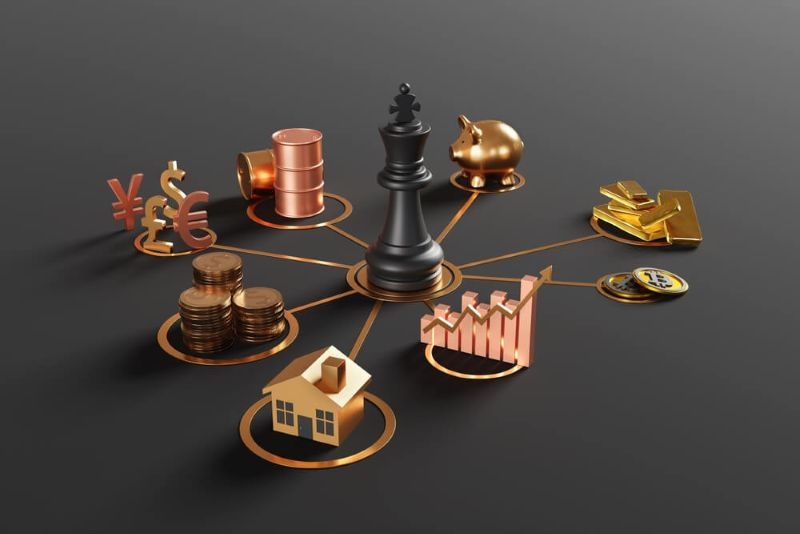
Commodity markets can feel noisy at first. Prices move fast, headlines shout louder, and opinions swing wildly. Still, many investors keep coming back. Why? Because commodities behave differently from stocks and bonds. They react to weather, wars, consumer habits, and even moods. This blog breaks down three commodities worth considering, explains how they fit into commodity investment strategies, and answers the quiet question many people ask but rarely say out loud: how do I invest in commodities without feeling lost?
We will walk through gold, crude oil, and agricultural goods in plain language. No hype. No jargon overload. Just practical insight for a USA-based investor who wants balance, protection, and maybe a bit of growth along the way.
Commodity Investing often gets framed as something only pros handle. That is not quite true. Every day, investors already rely on commodities more than they realize. Gas prices, grocery bills, and home construction costs. All of that links back to raw materials. This section sets the foundation before we zoom into specific picks.
A commodity in which someone invests might include a physical good like gold, oil, or wheat. These are basic items used across the economy. Because of that, their prices react to real-world supply and demand. A dry summer can lift corn prices. Political tension can shake oil markets. Inflation fears often send people running toward precious metals.
Unlike company stocks, commodities are not tied to earnings calls or CEOs. They move to a different rhythm. That difference is exactly why many investors use them to balance risk. When stocks wobble, certain commodities may hold steady or even rise.
If you are wondering how to invest in commodities, the good news is you rarely need to touch the physical product. Futures contracts, ETFs, mutual funds, mutual funds and even mining stocks make access simpler than it sounds.
Gold has a reputation. It is old-school, steady, and a little dramatic when markets panic. This section looks at why gold still earns a place in modern portfolios.
Gold often shines when confidence fades. Inflation climbs, the dollar weakens, or markets feel shaky. Investors look for something solid. Gold fits that emotional need. It does not generate income, which sounds like a flaw, yet that simplicity is part of its appeal.
In the US, gold also carries cultural weight. Central banks hold it. Jewelry demand stays strong. Even tech uses small amounts. All of that supports long-term demand. During uncertain periods, gold prices tend to move differently from stocks. Not always up, but often steady when nerves run high.
There is a mild contradiction worth noting. Gold is called a safe haven, yet its price can swing sharply in the short term. That surprises new investors. Over time, though, many see gold as a stabilizer rather than a quick win.
Most people do not store gold bars at home. Instead, they invest in commodities like gold through ETFs that track its price. These trade like stocks and feel familiar. Some investors choose mining companies, which add business risk but sometimes offer higher upside.
A smaller group buys physical coins or bars. That route adds storage and insurance concerns, but it also feels tangible. Honestly, that emotional comfort matters more than spreadsheets sometimes.
Oil is messy, loud, and deeply tied to politics. It is also essential. From commuting to shipping packages, oil touches nearly every corner of the US economy.
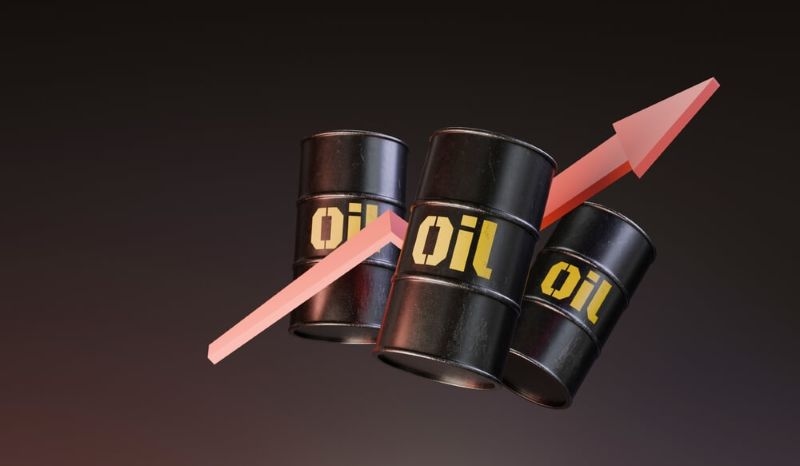
Oil prices respond to a long list of triggers. OPEC decisions. US shale production. Global conflicts. Even travel seasons play a role. Summer road trips often push demand higher. Winter heating needs can do the same.
Because of this constant motion, oil can feel risky. Yet that volatility attracts investors who understand cycles. When prices fall sharply, production often slows. That eventually tightens supply and lifts prices again. It is not instant, but patterns repeat more than people admit.
No one expects you to buy oil drums. Most commodity investment in oil happens through ETFs or futures-based funds. These track price movements and trade on US exchanges.
Energy company stocks offer another path. They pay dividends and reflect oil prices indirectly. That mix of income and exposure appeals to conservative investors. Just remember, company management choices add another layer of risk.
Also read: Learn How Commodity Markets Influence Global Bond Prices
Food commodities feel different. They are familiar. Corn, soybeans, wheat. These are not abstract numbers. They show up on dinner tables and in gas tanks through ethanol.
Corn and soybeans dominate US agriculture. They feed people, animals, and industries. Demand stays steady, even during slow economies. That stability makes them appealing.
Weather plays a huge role here. A flood in the Midwest or a drought in South America can move prices fast. That unpredictability scares some investors, but it also creates opportunity. Seasonal planting and harvest cycles add another layer of rhythm to watch.
For those asking how do i invest in commodities tied to food, agricultural ETFs simplify the process. They spread exposure across several crops, reducing single-crop risk.
Agricultural commodities reward patience. Prices often dip after harvest when supply peaks. They may rise later as inventories shrink. Understanding that cycle helps manage expectations.
There is also a social angle. Growing interest in biofuels, plant-based diets, and sustainable farming affects demand. These trends do not flip overnight, but they quietly shape long-term prices.
Don't miss: Navigating Commodity Pricing: The Role of Supply and Demand
Commodity Investing is not about chasing headlines. It is about understanding what moves the basics of life. Gold reflects fear and trust. Oil mirrors growth and conflict. Agriculture follows nature and necessity.
For US investors, commodities add texture to a portfolio. They zig when stocks zag, at least sometimes. That imperfection is normal. No asset class behaves perfectly. The key is balance and awareness.
If you want to invest in commodities, start small. Learn how prices move. Watch how they react to news. Over time, patterns emerge. Not flawless ones, but familiar ones. And familiarity builds confidence.
Most beginners use commodity ETFs or mutual funds. These trade like stocks and avoid the complexity of futures contracts.
Yes, prices can swing quickly. That said, risk varies by commodity and strategy. Diversification helps manage those swings.
Some commodities, especially gold and energy, often rise when inflation increases. They are not perfect shields, but they can help.
Many US investors keep commodity exposure between 5 and 10 percent. The right amount depends on risk tolerance and goals.
This content was created by AI